Have you run a marathon but don't know how to step up to an ultramarathon?
Get matched with a qualified coach who understands your race, your current running experience and everything your first ultra adds, from fuelling and climbing to cut-offs and hours on tired legs.

Your first ultra isn't difficult because it's longer. It's difficult because there are more ways for your race to go wrong
| Race | DNF rate |
|---|---|
| Black Beacon 100 Mile | 55% |
| Devon Coast to Coast | 50% |
| Pilgrims Ultra - 100km | 36% |
| Ultra Trail Snowdonia 50km | 19% |
| Arc of Attrition 50 Mile | 17% |
| Average Marathon | ~2% |
Your first ultra isn't difficult because it's longer. It's difficult because there are more ways for your race to go wrong
Most marathoners stepping up to an ultra do not need convincing that they can run. They have already trained for 26.2 miles and finished it.
The difference is that an ultra introduces problems a marathon may never have forced you to solve: prolonged fatigue, hours of bad weather, technical terrain, eating while running for most of a day, intermediate cut-offs, and keeping your effort under control when there is still a very long way to go.
What coaching actually changes
Knowing an ultra is hard doesn't help you finish one. Here is what a coach does about each of the problems that end first ultras early.
| The problem | What the coach actually does |
|---|---|
| 23% cited injury | Builds volume progressively around your history, adjusts training when niggles appear and avoids blindly following a fixed plan. |
| 20% debilitating fatigue | Teaches effort management, hiking/running strategy and how to train effectively on tired legs. |
| 17% performance/cut-offs | Builds pacing around your actual race's climbs, terrain, aid stations and cut-offs. |
| Fuelling | Helps you develop and repeatedly test a fuelling strategy during training. |
| 38% weather | Prepares you for your race environment, kit requirements and contingency scenarios. |
Why Ultrarunners DNF
A 2025 study of runners looked at why runners withdrew from long-distance mountain races. Among those who dropped out, these were the most commonly reported reasons.
38%
Weather
23%
Injury during the race
20%
Debilitating fatigue
17%
Performance problems, including cut-offs
Source: Puigarnau et al. (2025). Read the study.
More hours out there changes what your body needs
A marathon is raced at pace and over in a few hours. An ultra is survived over time, sometimes the best part of a day or more, and that extra time is exactly what turns effort management and fuelling into their own training problems.
Time on feet by distance
| Distance | Time on feet |
|---|---|
| Marathon | ~4 hrs |
| 50km | ~5-7 hrs |
| 50 mile | ~9-14 hrs |
| 100km | ~12-18 hrs |
| 100 mile | ~24-36 hrs |

You don't need someone to tell you that ultras are hard
You need someone who can look at the race you are entering, where your fitness is now, the time you have available, and the experience you already have, then work out what actually needs to change.
The right coach helps turn "I think I can run this" into a preparation process built around the race you actually have to finish.
There's a coach for everyone
Every coach on the platform is qualified, accredited, and insured, but they are not interchangeable. Some made their own jump from marathon to ultra later in life, some around a full-time job and young kids, some on trails, others on the road. You are matched with the one whose own experience lines up with yours, not just whoever has a free slot.
Your race
Terrain, climbing, climate, cut-offs, and self-sufficiency demands, mapped out and matched to coaches who have faced them.
Your goals and preferences
Finishing safely and racing for a place need different coaches. So do the athletes who want structure and the ones who want flexibility.
Your schedule
The hours you can train, the days that work, holidays and travel. Your plan is built around your life, not an ideal week.

Alex Thornton
Prices from £40 to £100
Free Initial Video Call
Alex Thornton
Qualified & insured
Endurance coach specialising in structured plans for amateur athletes.
- •Coaches first-time racers
Race experience
- •1 marathon
- •1 50K ultra
- •4 50 mile ultras
- •Wold Rangers Way Ultra (2026)
- •Hardwolds 40 (2026)
- •Rob Burrow Leeds Marathon (2026)
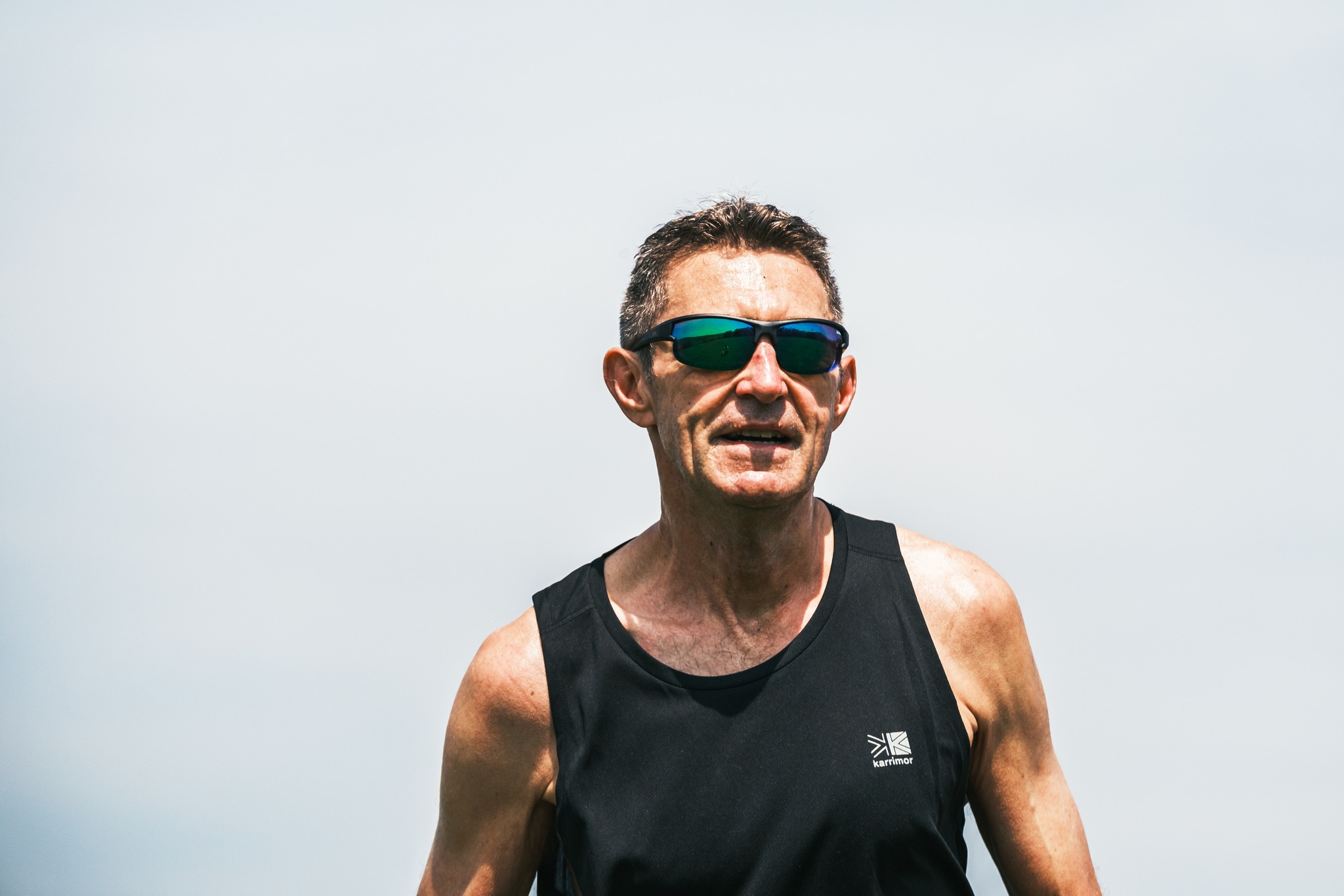
Ian Wilson
Prices from £40
Free Initial Video Call
Ian Wilson
Qualified & insured
Hi, I'm Ian. I am a UK-based running coach. I specialise in coaching runners aged 40+ from half-marathon upwards through to ultra distance. Over the years running has provided me with a sense of purpose and personal achievement, as well as enhancing my physical and mental wellbeing. It teaches the value of patience and the value of incremental gains over a long period. Across more than 30 years of competition, I have covered distances from 5k to 100 miles, at home and abroad across a wide variety of terrains. I have discovered what works for me and also what doesn’t (finding out the hard way is sometimes the best way to improve). These days I have a particular passion for running backyard ultras. I strongly believe that no two athletes are alike. We differ as much on the inside as we do on the outside. We have different blends of muscle fibres that give us different capacities to respond to the different types of training. We have different nervous systems, perceptions of discomfort and cardiovascular capacities. There is no 'one size fits all'. The core principles never change, but the intensity and duration of training and racing should be fine-tuned to the individual. My approach to creating training plans for runners is a blend of the science of running (acquired from formalised learning) coupled with the art of running (based on many years of personal experience). Being of a certain age now, I am particularly tuned in to the needs of the ‘older’ runner, whatever their previous achievements, current fitness levels or future goals.
- •Coaches first-time racers
Race experience
- •1 50 mile ultra
- •South Downs Way 50 Mile (2026)
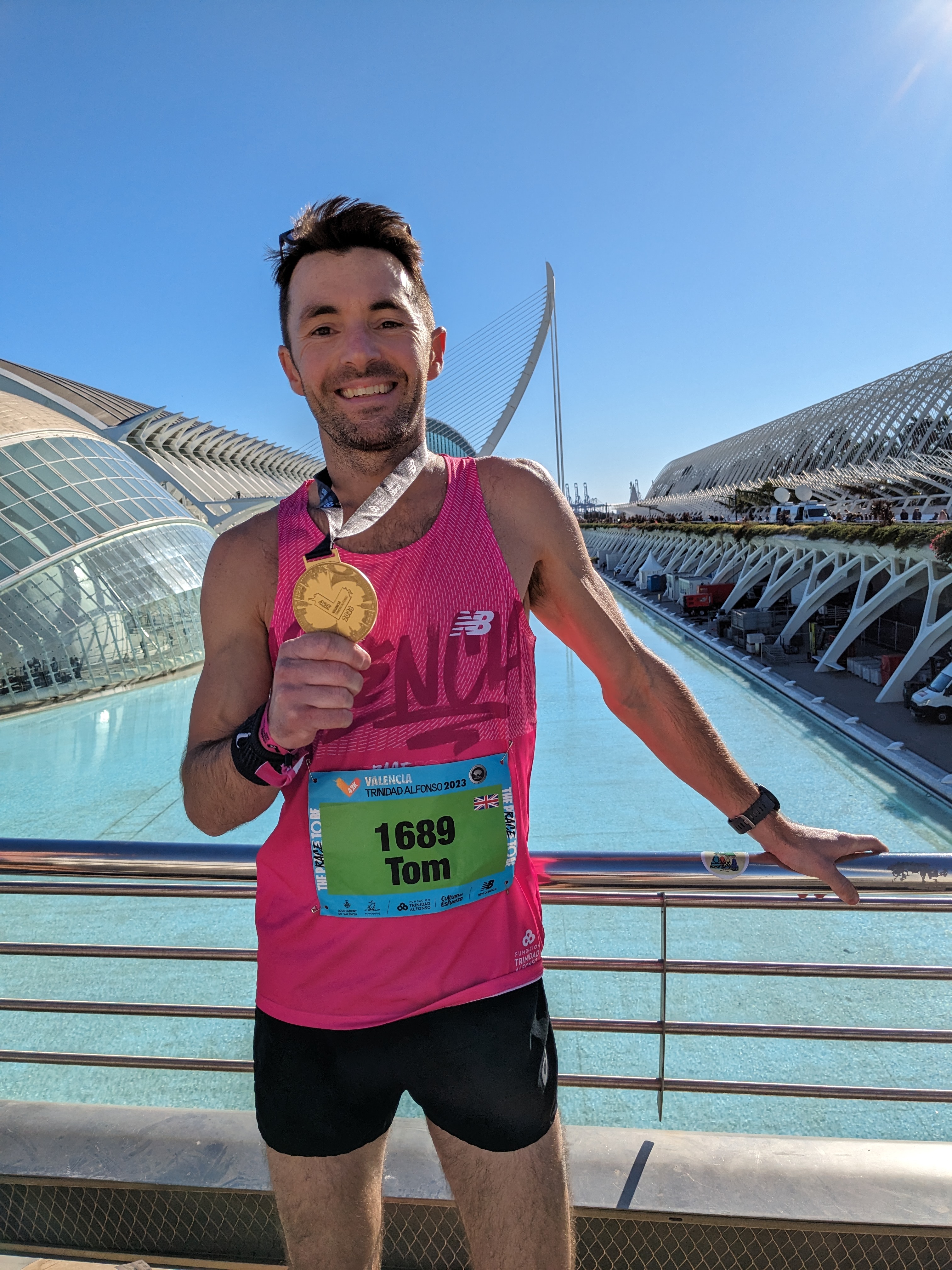
Tom Hollis
Prices from £80 to £120
Free Initial Video Call
Tom Hollis
Qualified & insured
Overview: With 13 years of specialist clinical experience, including a decade in the NHS, I am a leading expert in sports nutrition and running coaching. As a Registered Dietitian on the Sport and Exercise Nutrition Register (SENR) and UK Athletics qualified Running Coach, I combine my professional expertise with personal success at the sub-elite level, regularly securing podium finishes and representing England Masters in the marathon. My running coaching philosophy: Quality over quantity. Flexibility: respect the person behind the runner. All stress is stress: monitor and adjust. I take a holistic approach, considering nutrition, recovery, sleep, strength and conditioning, gut health, immunity, and mental health. My nutrition philosophy: Education is essential if working towards a plant-based diet in order to avoid nutrient deficiencies. Fuel for the work required: periodised nutrition with phases of training. Food first, but not only food: smart use of sports products and supplements. Train the gut like you train your muscles. No stone left unturned on race day fuelling.
Race experience
- •3 half marathons
- •8 marathons
- •Chester Marathon (2024)
- •Worcester Half Marathon (2026)
- •London Marathon (2026)
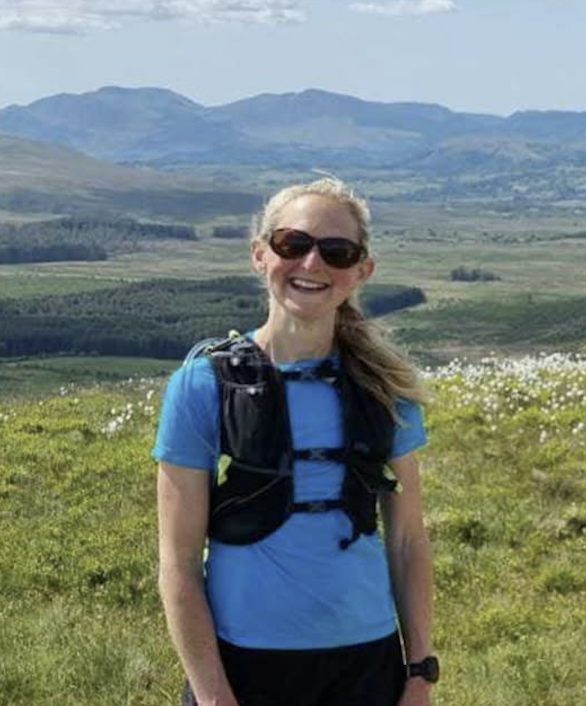
Becky Penty
Prices from £120 to £140
Free Initial Video Call
Becky Penty
Qualified & insured
Coaching I began coaching in 2017 and my passion and involvement in coaching have steadily increased ever since. I hold a UKA Athletics Coach qualification and an Event Group qualification in Endurance with UK Athletics. I believe coaching is a partnership and place value on the importance of two way communication and feedback. Running Experience I started running in my early 20's and continue to run and compete 20 years later. Over that time I have represented England in cross country, mountain and fell races and I am an accomplished road runner with a 2:36 marathon pb. Safe to say I enjoy all disciplines! My experiences and the coaches I have had along the way help shape the coach I am today and motivates me in the work I do. Sport Psychology I am a Health Care Professions Council (HCPC) registered practitioner psychologist and a Chartered member of the British Psychology Society (BPS). Have you ever gone off too fast and paid for it later? Let doubt creep in at mile 20? Lost motivation after an injury? Running is as much a mental challenge as a physical one. Yet most runners train their legs and lungs and leave their minds to chance. As a qualified sport psychologist and running coach, and I'll help you train your mind alongside your body. Together we'll build the skills to: Stay motivated when training gets tough Handle discomfort and keep pushing in the hard moments Stay focused and stick to your race plan Calm pre-race nerves and perform on the day Bounce back from setbacks and injuries Set goals that keep you moving forward These are skills, not personality traits, and like any skill they can be practised in training. The result is performance that lasts, and running you enjoy more.
View profile →Gayle Lindsay
Prices from £16
Free Initial Video Call
Gayle Lindsay
Qualified & insured
Fueled by a lifelong passion for running, I’m a UESCA and VDOT-certified coach with experience guiding hundreds of athletes to their goals. Having raced everything from the mile to the marathon, with PBs of 2:56 for the marathon, 35:59 for 10K and 18:01 for 5K, I understand the commitment and consistency required to succeed, as well as the unique demands of each race distance. I take a personalised approach to coaching, creating training plans around your unique goals, baseline fitness, and daily lifestyle to ensure your training fits your life.
- •Coaches first-time racers
Race experience
- •3 half marathons
- •3 marathons
- •Boston Marathon (2026)
- •Isle of Skye Half Marathon (2026)
- •La Valette Half Marathon, Malta (2026)
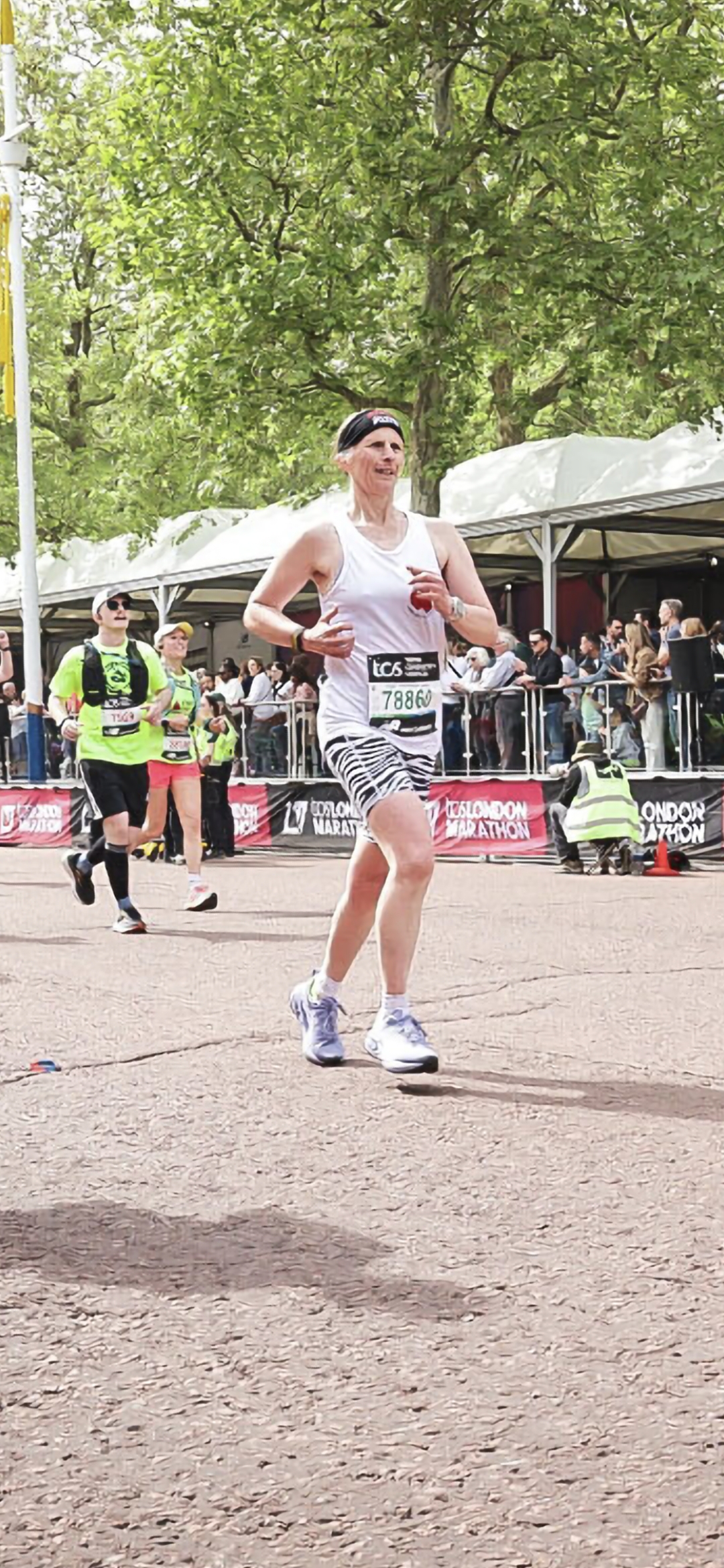
Heather Avul
Prices from £60
Free Initial Video Call
Heather Avul
Qualified & insured
I’ve been helping people run since 2014, initially as a Run Leader supporting beginners from their first steps through to running continuously and completing 5K. I qualified as a Personal Trainer in 2016 and as a Coach in Running Fitness in 2018. My own experience has shaped the way I coach. When I first started running, I made the classic mistake of doing too much too soon and ended up injured. I realised that running alone wasn’t enough – I needed to become stronger too. That experience led me into personal training, strength and conditioning and, more recently, hybrid coaching. I now help runners build the strength, fitness and confidence they need to reach the start line prepared, rather than simply following a generic running plan. I believe training should be progressive, realistic and fit around real life.
- •Coaches first-time racers
Jamie Hadwin
Prices from £20
Free Initial Video Call
Jamie Hadwin
Qualified & insured
I’m a very keen advocate that the training programmes should be focused on each athlete’s individual outcomes, no two people are the same, so I like to ensure each programme is adaptable, suitable and achievable. I myself have ran all kind of events from 5ks to ultra marathons and also participated in triathlons. Coaching is my passion, I have coached 100s of athletes over the past 5 years and also decided to put myself through a degree in Sports Coaching.
- •Coaches first-time racers
Race experience
- •1 5K
- •11 10Ks
- •9 half marathons
- •4 marathons
- •Newport Marathon (2025)
- •Portland Coastal Marathon (2019)
- •Maiden Newton 10k (2026)

Dave Chanter
Prices from £500
Free Initial Video Call
Dave Chanter
Qualified & insured
About CREDENTIALS • MSc exercise science & sports coaching • England Athletics event group coach (endurance) • Lydiard level 3 coach • Dip. Sports Therapy • BMC coach COACHING EXPERIENCE • Lead Coach and founder of the Tavistock Run Project. • Lead a group of 40 athletes. • Coach to U17 English school’s cross country champion. • Coached 10 juniors to English Schools Championships. ACCOMPLISHMENTS • Consultant BUPA Great Run Series • Research Australian Institute of Sport • Tech. Rep.Welsh Universities athletics • Director Human Performance (Aberystwyth) • Race Director (local races) AREA OF EXPERTISE & SPECIALITY Development of endurance athletes utilising the art and science of coaching. EXPERIENCE AS AN ATHLETE I have been running for over 50 years, many years ago ran sub 30 min 10k. Today I try to be competitive in my age group and have a goal to complete the 6 major marathons across 6 different decades. Masters Athletics Team Manager Coach World Masters Mountain Running Championships Canfranc 2024 !st British finisher European Masters Road Running Champs Sicily 2025 COACHING PHILOSOPHY Enjoy the journey, wherever it leads you.
View profile →
Topcoach
Prices from £260
Free Initial Video Call
Topcoach
Qualified & insured
- •Coaches first-time racers
Neil Clarke
Free Initial Video Call
Neil Clarke
Qualified & insured
View profile →Steven James
Free Initial Video Call
Steven James
Qualified & insured
View profile →Coach
Free Initial Video Call
Coach
Qualified & insured
View profile →