Had a baby and not sure when, or how, to start running again?
Get matched with a qualified coach who builds a gradual postnatal return around your recovery, your sleep and your new routine, from your first walk back to your next race.
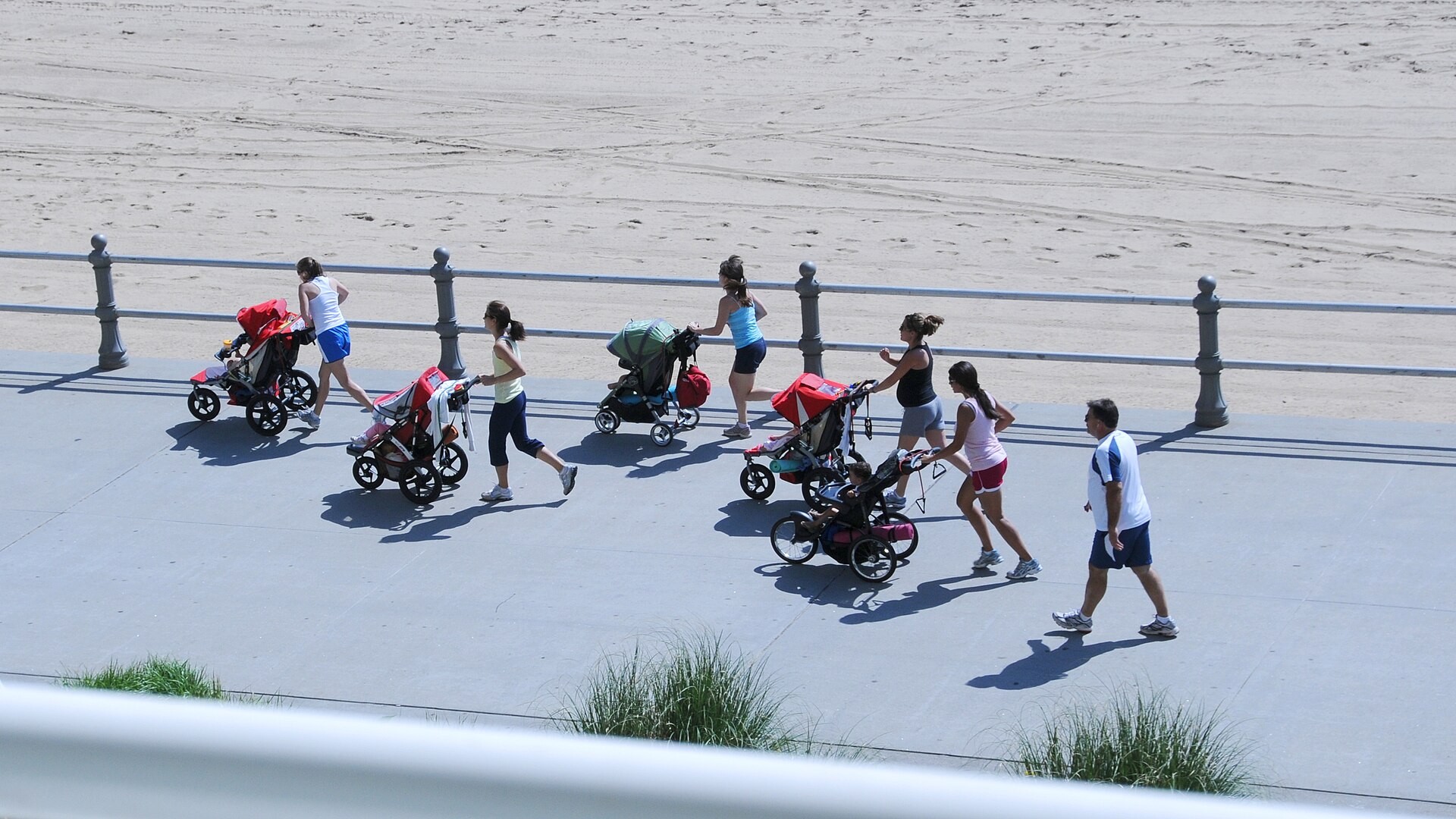
This page isn't medical advice. If you have pain, leaking, heaviness, or a caesarean or perineal wound that hasn't fully healed, see your GP or a pelvic health physiotherapist before returning to running.
A generic plan can't answer the questions you're actually asking
- When is it actually safe to start, and how will I know?
- Is leaking, heaviness or pelvic pain while running just something I have to put up with?
- How do I train when I've slept four broken hours?
- Does it matter that I'm breastfeeding?
- What happens when the baby is ill and I miss a week?
- Is it realistic to be racing again this year?
That's where coaching helps. The aim isn't to get you back to your old paces as fast as possible. It's to make sure you're still running in five years' time.
Signed off is not the same as ready to run
| Stage | Focus |
|---|---|
| Early weeks | Walking, breathing and gentle pelvic floor work |
| Around 6-8 weeks | Postnatal check, then low-impact exercise and basic strength |
| From around 12 weeks | A first return to running, if a load and impact check shows no symptoms |
| After that | Gradual build in time on feet, then pace and intensity |
Source: Goom, Donnelly & Brockwell (2019), Returning to running postnatal: guidelines for medical, health and fitness professionals.
Signed off is not the same as ready to run
The postnatal check at six to eight weeks is a general health check. It usually is not an assessment of whether your pelvic floor, abdominal wall and joints are ready for the repeated impact of running.
UK guidelines suggest a return to running from around 12 weeks at the earliest, and only after a staged build of strength and low-impact work. Most runners are never told this, so they either wait with no plan at all or go straight back to their old routine and wonder why it hurts.
What your return actually needs to account for
01
Rebuild the foundations before the mileage
Your pelvic floor, deep core and glutes carry most of the load in running, and pregnancy changes all of them. Whether you had a vaginal birth or a caesarean, your training should rebuild strength and control before it adds impact. Symptoms such as leaking, heaviness or pain aren't a normal part of being a mum runner. They tell you the load needs changing, and a coach should know when to refer you to a pelvic health physio.
02
Train on the sleep you actually get
Recovery depends on sleep, and yours is fragmented and unpredictable. A plan written for someone sleeping eight hours will overload someone who is up three times a night. Training has to adapt to how you actually slept last night, not to what the plan assumed.
03
Fit training into the gaps
Your schedule is shaped by naps, feeds, childcare and a partner's shifts, and it can change within a few minutes. Sessions need to be short, easy to move around, and possible from your front door or behind a buggy. A missed session isn't a failure. It's normal, and your plan should expect it.
04
Fuel for recovery, not just for running
Recovering from birth, and breastfeeding if you are, both increase how much energy and fluid your body needs before you add any training. Under-fuelling while trying to "get back in shape" is one of the most common ways postnatal runners end up injured or exhausted. Session timing also has to work around feeds.
05
Give your body time to settle
Hormonal changes after pregnancy, and while breastfeeding, affect your joints, tendons and bones for months after birth. Your fitness can come back faster than your tissues are ready for. Progression has to follow how your body responds, not the calendar.
06
Leave the "bounce back" pressure behind
Comparing yourself with your pre-pregnancy paces, or with other people's comeback stories, rarely helps. For many new mothers, running is the one hour that belongs to them, and training should protect that rather than turn it into another source of guilt.
Why postnatal training is different
| Aspect | General runner | Postnatal runner |
|---|---|---|
| What drives progression | Fitness and training history | Symptoms, tissue recovery and strength |
| Recovery | Fairly predictable | Depends on last night's sleep |
| Missed sessions | Occasional | Expected, and planned for |
| Fuelling | Supports training | Supports training, recovery and possibly feeding |
| Strength work | Useful extra | Foundation of the plan |
| Timeline | Set by the race date | Set by the body, with the race fitted around it |
Common is not the same as normal
Pelvic floor symptoms after having a baby are very common, which is exactly why they get brushed off. They are also very treatable, and a good return plan is built with them in mind.
1 in 3
Women who experience urinary leaking after having a baby
12 weeks
Earliest suggested return to running after birth
Sources: Pelvic, Obstetric and Gynaecological Physiotherapy (POGP); Goom, Donnelly & Brockwell (2019). A coach works alongside your GP and a pelvic health physiotherapist, not instead of them.
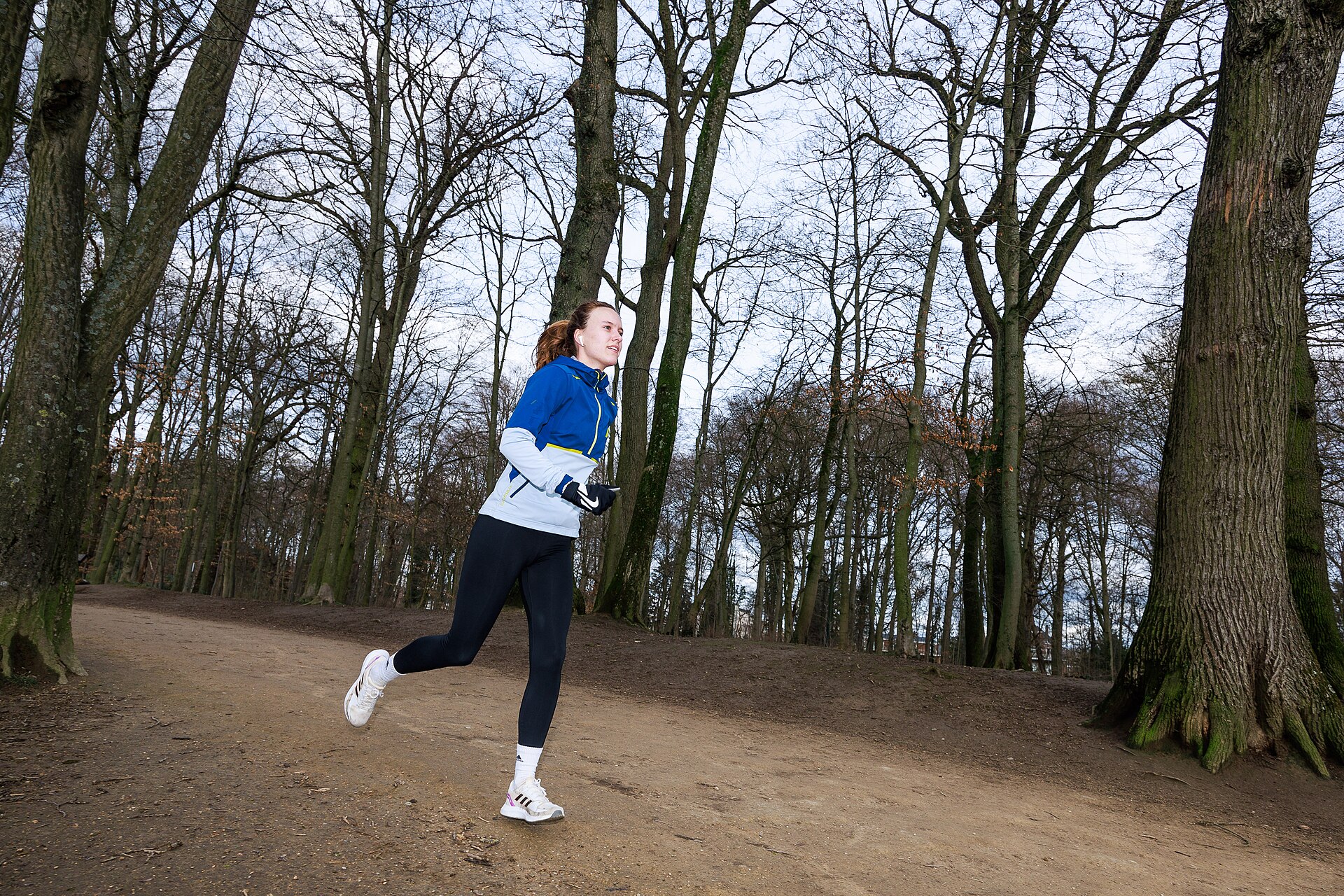
You don't need anyone to tell you this is hard
You need someone who looks at where your body is now, the time and sleep you actually have, and the runner you want to become again, then works out the right order to rebuild in.
The right coach turns "I don't know where to start" into a return you can trust.
There's a coach for this stage

Alex Thornton
Prices from £40 to £100
Free Initial Video Call
Alex Thornton
Qualified & insured
Endurance coach specialising in structured plans for amateur athletes.
- •Coaches postnatal returns to running
Race experience
- •1 marathon
- •1 50K ultra
- •4 50 mile ultras
- •Wold Rangers Way Ultra (2026)
- •Hardwolds 40 (2026)
- •Rob Burrow Leeds Marathon (2026)
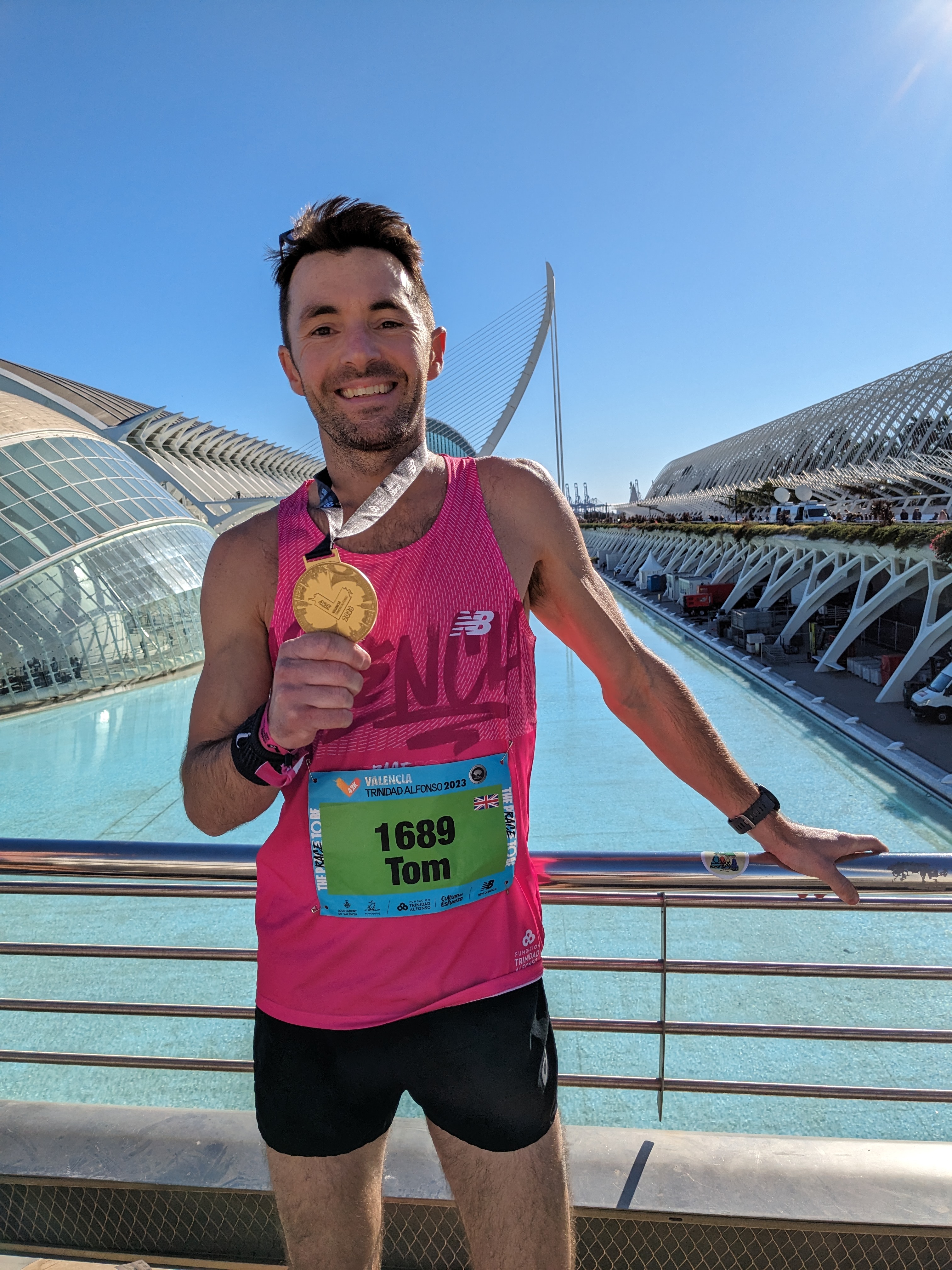
Tom Hollis
Prices from £80 to £120
Free Initial Video Call
Tom Hollis
Qualified & insured
Overview: With 13 years of specialist clinical experience, including a decade in the NHS, I am a leading expert in sports nutrition and running coaching. As a Registered Dietitian on the Sport and Exercise Nutrition Register (SENR) and UK Athletics qualified Running Coach, I combine my professional expertise with personal success at the sub-elite level, regularly securing podium finishes and representing England Masters in the marathon. My running coaching philosophy: Quality over quantity. Flexibility: respect the person behind the runner. All stress is stress: monitor and adjust. I take a holistic approach, considering nutrition, recovery, sleep, strength and conditioning, gut health, immunity, and mental health. My nutrition philosophy: Education is essential if working towards a plant-based diet in order to avoid nutrient deficiencies. Fuel for the work required: periodised nutrition with phases of training. Food first, but not only food: smart use of sports products and supplements. Train the gut like you train your muscles. No stone left unturned on race day fuelling.
- •Coaches postnatal returns to running
Race experience
- •3 half marathons
- •8 marathons
- •Chester Marathon (2024)
- •Worcester Half Marathon (2026)
- •London Marathon (2026)
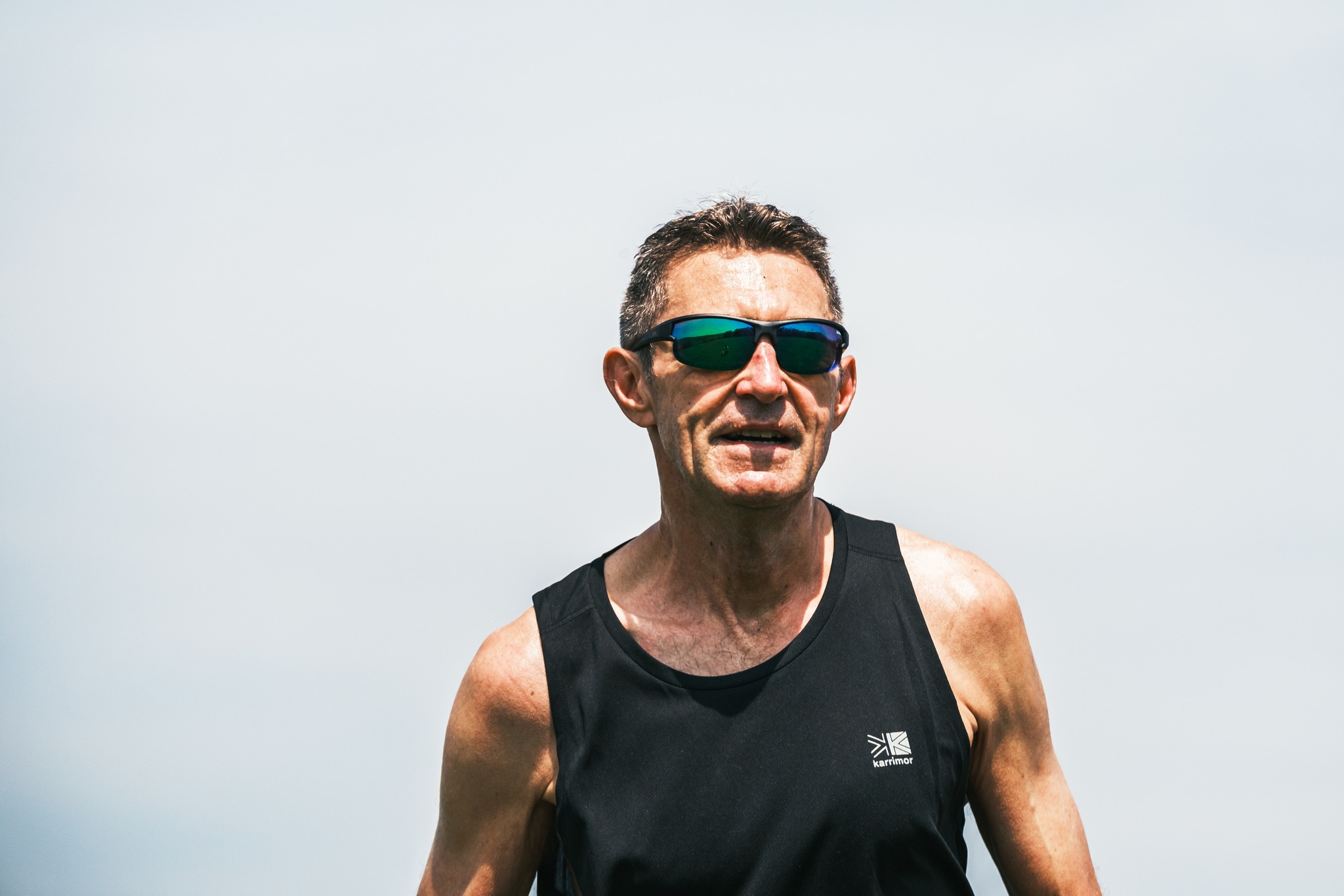
Ian Wilson
Prices from £40
Free Initial Video Call
Ian Wilson
Qualified & insured
Hi, I'm Ian. I am a UK-based running coach. I specialise in coaching runners aged 40+ from half-marathon upwards through to ultra distance. Over the years running has provided me with a sense of purpose and personal achievement, as well as enhancing my physical and mental wellbeing. It teaches the value of patience and the value of incremental gains over a long period. Across more than 30 years of competition, I have covered distances from 5k to 100 miles, at home and abroad across a wide variety of terrains. I have discovered what works for me and also what doesn’t (finding out the hard way is sometimes the best way to improve). These days I have a particular passion for running backyard ultras. I strongly believe that no two athletes are alike. We differ as much on the inside as we do on the outside. We have different blends of muscle fibres that give us different capacities to respond to the different types of training. We have different nervous systems, perceptions of discomfort and cardiovascular capacities. There is no 'one size fits all'. The core principles never change, but the intensity and duration of training and racing should be fine-tuned to the individual. My approach to creating training plans for runners is a blend of the science of running (acquired from formalised learning) coupled with the art of running (based on many years of personal experience). Being of a certain age now, I am particularly tuned in to the needs of the ‘older’ runner, whatever their previous achievements, current fitness levels or future goals.
Race experience
- •1 50 mile ultra
- •South Downs Way 50 Mile (2026)
Becky Penty
Prices from £120 to £140
Free Initial Video Call
Becky Penty
Qualified & insured
Coaching I began coaching in 2017 and my passion and involvement in coaching have steadily increased ever since. I hold a UKA Athletics Coach qualification and an Event Group qualification in Endurance with UK Athletics. I believe coaching is a partnership and place value on the importance of two way communication and feedback. Running Experience I started running in my early 20's and continue to run and compete 20 years later. Over that time I have represented England in cross country, mountain and fell races and I am an accomplished road runner with a 2:36 marathon pb. Safe to say I enjoy all disciplines! My experiences and the coaches I have had along the way help shape the coach I am today and motivates me in the work I do. Sport Psychology I am a Health Care Professions Council (HCPC) registered practitioner psychologist and a Chartered member of the British Psychology Society (BPS). Have you ever gone off too fast and paid for it later? Let doubt creep in at mile 20? Lost motivation after an injury? Running is as much a mental challenge as a physical one. Yet most runners train their legs and lungs and leave their minds to chance. As a qualified sport psychologist and running coach, and I'll help you train your mind alongside your body. Together we'll build the skills to: Stay motivated when training gets tough Handle discomfort and keep pushing in the hard moments Stay focused and stick to your race plan Calm pre-race nerves and perform on the day Bounce back from setbacks and injuries Set goals that keep you moving forward These are skills, not personality traits, and like any skill they can be practised in training. The result is performance that lasts, and running you enjoy more.
View profile →Gayle Lindsay
Prices from £16
Free Initial Video Call
Gayle Lindsay
Qualified & insured
Fueled by a lifelong passion for running, I’m a UESCA and VDOT-certified coach with experience guiding hundreds of athletes to their goals. Having raced everything from the mile to the marathon, with PBs of 2:56 for the marathon, 35:59 for 10K and 18:01 for 5K, I understand the commitment and consistency required to succeed, as well as the unique demands of each race distance. I take a personalised approach to coaching, creating training plans around your unique goals, baseline fitness, and daily lifestyle to ensure your training fits your life.
Race experience
- •3 half marathons
- •3 marathons
- •Boston Marathon (2026)
- •Isle of Skye Half Marathon (2026)
- •La Valette Half Marathon, Malta (2026)
Heather Avul
Prices from £60
Free Initial Video Call
Heather Avul
Qualified & insured
I’ve been helping people run since 2014, initially as a Run Leader supporting beginners from their first steps through to running continuously and completing 5K. I qualified as a Personal Trainer in 2016 and as a Coach in Running Fitness in 2018. My own experience has shaped the way I coach. When I first started running, I made the classic mistake of doing too much too soon and ended up injured. I realised that running alone wasn’t enough – I needed to become stronger too. That experience led me into personal training, strength and conditioning and, more recently, hybrid coaching. I now help runners build the strength, fitness and confidence they need to reach the start line prepared, rather than simply following a generic running plan. I believe training should be progressive, realistic and fit around real life.
View profile →Jamie Hadwin
Prices from £20
Free Initial Video Call
Jamie Hadwin
Qualified & insured
I’m a very keen advocate that the training programmes should be focused on each athlete’s individual outcomes, no two people are the same, so I like to ensure each programme is adaptable, suitable and achievable. I myself have ran all kind of events from 5ks to ultra marathons and also participated in triathlons. Coaching is my passion, I have coached 100s of athletes over the past 5 years and also decided to put myself through a degree in Sports Coaching.
Race experience
- •1 5K
- •11 10Ks
- •9 half marathons
- •4 marathons
- •Newport Marathon (2025)
- •Portland Coastal Marathon (2019)
- •Maiden Newton 10k (2026)

Dave Chanter
Prices from £500
Free Initial Video Call
Dave Chanter
Qualified & insured
About CREDENTIALS • MSc exercise science & sports coaching • England Athletics event group coach (endurance) • Lydiard level 3 coach • Dip. Sports Therapy • BMC coach COACHING EXPERIENCE • Lead Coach and founder of the Tavistock Run Project. • Lead a group of 40 athletes. • Coach to U17 English school’s cross country champion. • Coached 10 juniors to English Schools Championships. ACCOMPLISHMENTS • Consultant BUPA Great Run Series • Research Australian Institute of Sport • Tech. Rep.Welsh Universities athletics • Director Human Performance (Aberystwyth) • Race Director (local races) AREA OF EXPERTISE & SPECIALITY Development of endurance athletes utilising the art and science of coaching. EXPERIENCE AS AN ATHLETE I have been running for over 50 years, many years ago ran sub 30 min 10k. Today I try to be competitive in my age group and have a goal to complete the 6 major marathons across 6 different decades. Masters Athletics Team Manager Coach World Masters Mountain Running Championships Canfranc 2024 !st British finisher European Masters Road Running Champs Sicily 2025 COACHING PHILOSOPHY Enjoy the journey, wherever it leads you.
View profile →
Topcoach
Prices from £260
Free Initial Video Call
Topcoach
Qualified & insured
View profile →Neil Clarke
Free Initial Video Call
Neil Clarke
Qualified & insured
View profile →Steven James
Free Initial Video Call
Steven James
Qualified & insured
View profile →Coach
Free Initial Video Call
Coach
Qualified & insured
View profile →There's a coach for this stage
Every coach on the platform is qualified, accredited and insured. Coaches who have told us they have experience guiding runners back after pregnancy are shown first. Whoever you work with, they should know when to work alongside a pelvic health physiotherapist rather than instead of one.
There's a race for this stage too
Your comeback race doesn't have to be a mountain ultra.
Come back stronger, not just sooner
Find a coach who understands what your body has been through and builds your return around your life as it is now.